


St. Augustine Home Values: What Actually Moves Prices Street by Street
Home prices in St. Augustine can feel like a riddle until you start looking at the city the way appraisers do: as a patchwork of micro-markets. Two homes with the same square footage can land in totally different price ranges simply because one sits on a quieter street, feeds to a preferred school, or has an easier drive to everyday errands. The good news is that once you understand which levers matter most, the "why" behind a list price becomes far less mysterious.
Street-by-street pricing isn't hype—it's the reality of a coastal, historic city where architecture, zoning, flood considerations, and neighborhood character change quickly. In practical terms, value in St. Augustine is built from a blend of location premiums, risk factors, and lifestyle convenience. The challenge is that those factors don't show up evenly across a ZIP code, and they don't always align with what a buyer "feels" during a showing.
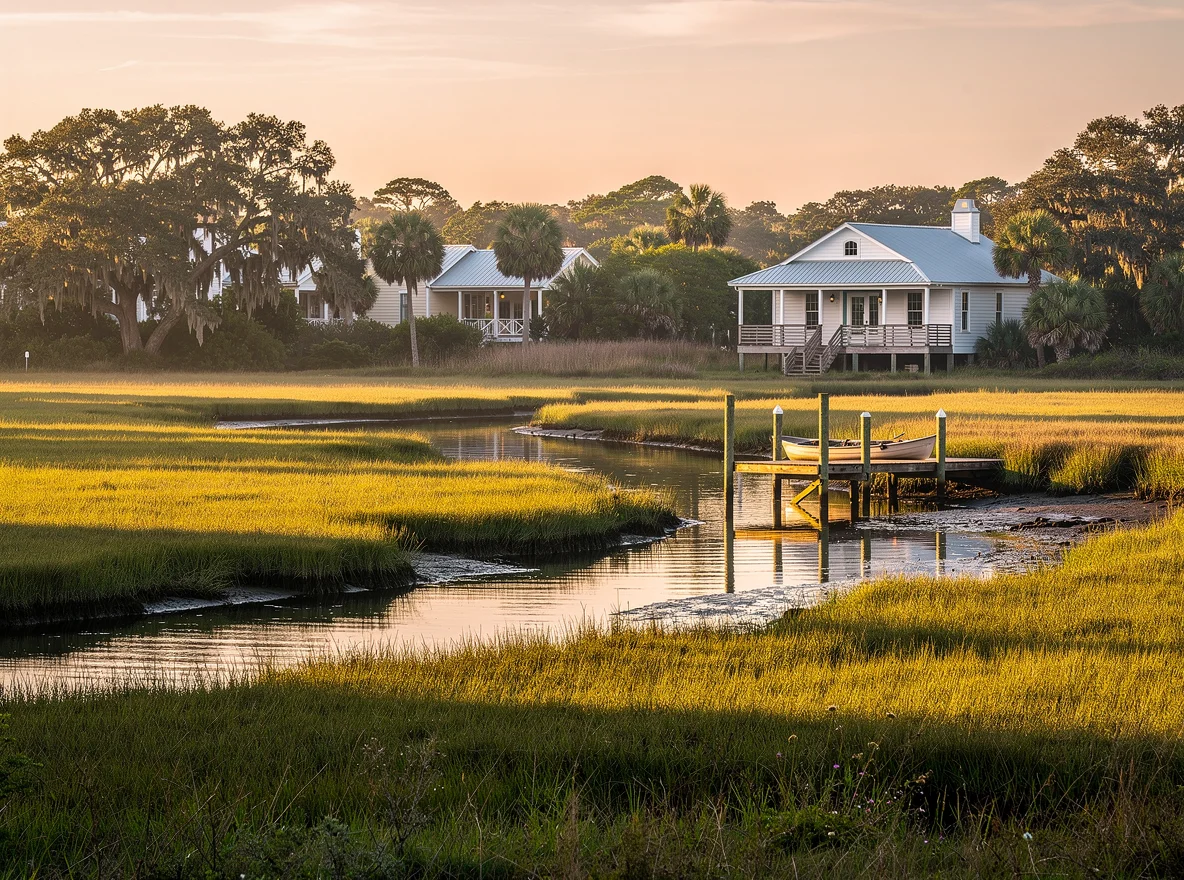
One of the biggest drivers is proximity to water, but not in a simplistic "closer is always higher" way. In some pockets, a view corridor or quick access to the Intracoastal can raise demand, while in others, buyers price in insurance costs, elevation concerns, and storm exposure. That's why two streets that look "near the same area" on a map can trade at noticeably different price points—buyers are comparing not just the scenery, but the carrying cost and perceived hassle of owning there.
Another factor that shifts quickly block-to-block is noise and traffic pattern. A home that backs to a busy connector road, sits near a frequently used shortcut, or endures seasonal tourism traffic can see softer offers than a similar property tucked a few turns deeper into the neighborhood. It's not only about decibels; it's about daily livability—backing out of a driveway, walking a dog, or enjoying a patio without constant motion nearby.
Finally, St. Augustine's identity brings a unique pricing ingredient: historic character and architectural consistency. Streets that maintain a cohesive look—mature tree canopies, consistent setbacks, well-kept façades—often create a stronger "neighborhood brand," which can lift values. Conversely, a street with mixed conditions (renovated homes next to deferred maintenance) can compress the price spread upward because buyers see more uncertainty about long-term appeal.
The hidden math: schools, commuting rhythm, and "everyday convenience"
If you've ever wondered why buyers will pay more for a home that's only a few minutes closer to their routine, this is where the street-level story becomes clear. School zones are an obvious lever, but it's not just the district name—it's also the ease of drop-off routes, after-school activities, and how traffic behaves at peak times. In family-oriented neighborhoods, a smoother weekday rhythm can translate into stronger demand and, over time, more resilient resale value.
Commuting patterns matter too. Many buyers in Northeast Florida balance work across St. Johns, Jacksonville, and surrounding areas. A street that offers quicker access to key corridors can earn a convenience premium, even when the neighborhood itself is similar. The same concept applies to proximity to daily needs: grocery runs, gyms, medical offices, parks, and community amenities. Those aren't flashy features, but they are the ones that shape how it feels to live there year-round.
It's also worth noting that micro-amenities—a well-maintained community pool, an attractive entrance, sidewalks that actually connect, a nearby trailhead—often show up as stronger buyer urgency rather than a neat line item on an appraisal grid. In practice, urgency is what pushes multiple-offer situations, reduces days on market, and creates the perception that "homes on this street always go fast."
Condition, layout, and renovation quality: why "updated" isn't a single category
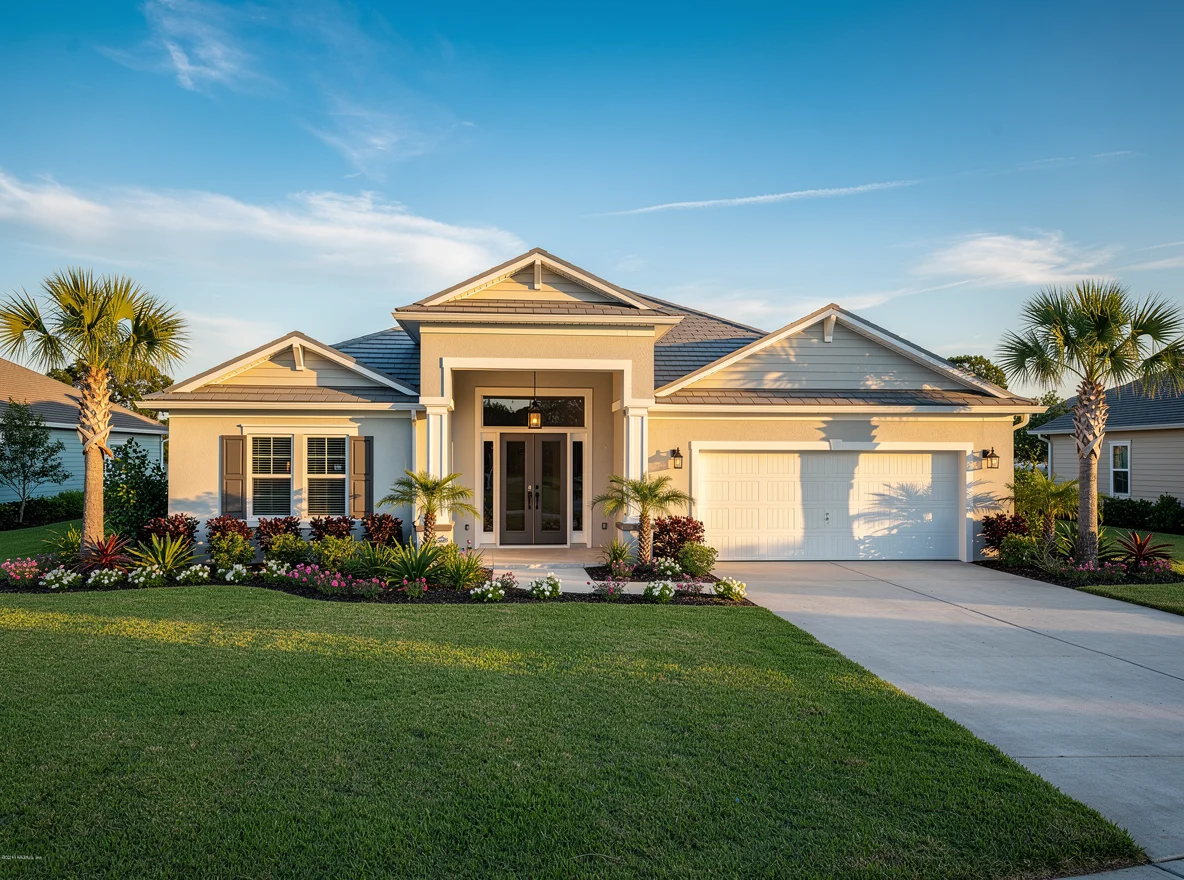
A street can have a price "ceiling," but condition determines whether a home touches it—or lingers well below. Buyers today are quick to separate cosmetic updates from meaningful improvements. Fresh paint and trendy fixtures help with first impressions, yet bigger value shifts often come from roofs, HVAC age, window quality, foundation/crawlspace confidence, and well-documented permitting for major work. On the same street, one home can command a premium because it feels low-risk, while another gets discounted because the next owner expects a to-do list.
Layout is another silent influencer. In St. Augustine, you'll see everything from historic-era floor plans to newer builds with open concepts. Two houses can share the same square footage, but the one with functional bedroom placement, sensible storage, and a flexible bonus space often wins the higher price per square foot. This is especially true for buyers who want room for remote work, multigenerational living, or simply a more comfortable flow for everyday life.
Renovation quality creates one of the biggest "street-by-street" misunderstandings. A high-end kitchen can lift perceived value, but only if it matches the neighborhood's price bracket and is executed well. Buyers notice when finishes are inconsistent, when workmanship looks rushed, or when design choices feel too personalized. On the other hand, thoughtful upgrades—durable flooring, timeless cabinetry, good lighting, and energy-efficient systems—tend to translate into stronger offers because they reduce the friction of moving in.
The pricing accelerators (and the deal-killers) buyers don't always expect
When values diverge in tight geographic pockets, it's often because of a few high-impact accelerators:
- Lot placement: cul-de-sac positioning, extra buffer from neighbors, or a backyard that feels private.
- Views and light: even partial water glimpses or a bright interior can change buyer emotion quickly.
- HOA structure: reasonable fees and well-kept common areas can support demand; uncertainty or restrictions can suppress it.
- Insurance and risk perception: elevation, drainage patterns, and prior claim history can sway buyer confidence.
On the flip side, deal-killers aren't always dramatic. A street that floods during heavy rains, a neighbor with persistent exterior clutter, or a confusing parking situation can quietly reduce the buyer pool. In a market where buyers compare multiple homes in a single weekend, anything that adds friction can translate into lower offers—even if the home photographs beautifully.
Reading the market like a local: how to make smarter decisions
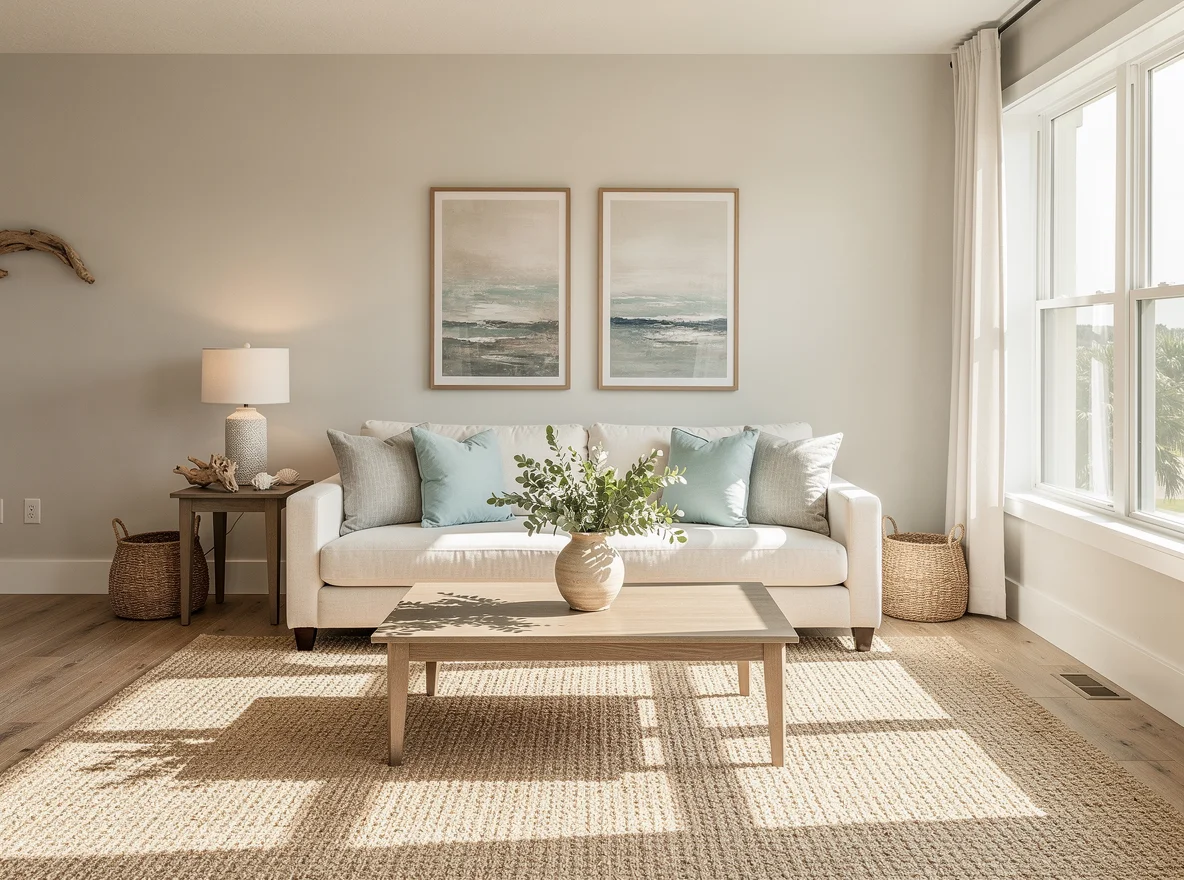
If you're buying, the most practical approach is to compare homes the way a strong agent and a solid appraiser would: focus on the same neighborhood first, then narrow to the most similar streets, then match on lot traits and condition. City-wide averages (and even neighborhood averages) can be misleading in St. Augustine because the "best comps" might be only a few blocks away—but still behave like a different market segment due to traffic flow, flood exposure, or community amenities.
If you're selling, the goal is to identify the specific features that your street rewards. Sometimes it's curb appeal and landscaping. Sometimes it's a clean inspection story and well-documented upgrades. Sometimes it's staging that helps buyers understand a quirky layout. Pricing is not just about what the last house sold for; it's about how today's buyers will compare your home against the active competition they can tour right now.
For anyone trying to time a move, remember that St. Augustine demand can be seasonal, and buyer preferences can shift as interest rates, insurance headlines, and inventory levels change. What holds steady is the micro-market reality: when a street has a strong reputation and homes show well, it tends to protect value better—even when the broader market slows.
Bringing it all together
St. Augustine home values don't move in unison—they move in clusters, shaped by street-level livability, risk factors, and the details that buyers feel during a walkthrough. If you want a pricing strategy that reflects what's actually happening right now, a local, team-backed perspective makes a difference. Katie Benza and the Welch Team at Keller Williams Atlantic Partners Southside track Northeast Florida trends across communities like St. Johns, Jacksonville, Nocatee, and Palm Coast, then translate that data into practical guidance for your specific street—so you can buy or sell with fewer surprises and more confidence.