

Seven First-Time Buyer Mistakes to Avoid in Jacksonville (and What to Do Instead)
Buying your first home in Jacksonville can feel like equal parts excitement and whiplash: one minute you're imagining weekend coffee on a sunny patio, the next you're decoding lender emails and comparing neighborhoods that all sound "close to everything." The good news is that most first-time missteps are predictable—and preventable. With a little planning (and a clear game plan), you can move from "overwhelmed" to "confident" and make decisions you'll still feel good about years from now.
Below are seven common mistakes first-time buyers make in Jacksonville, along with what to do instead—especially important in Northeast Florida, where lifestyle, commute patterns, flood considerations, and HOA structures can change dramatically from one pocket to the next.
1) Falling in love with a price instead of a payment

It's easy to anchor on a list price and assume you're "good" if it fits your pre-approval amount. But in Florida, the monthly picture can shift fast once you layer in homeowners insurance, taxes, HOA or CDD fees (common in planned communities), and utilities. A home that looks comfortable on paper can become tight when renewals or escrow adjustments hit.
Do this instead: Ask your lender for a payment-based pre-approval scenario and run a few "what if" totals: different down payments, rate changes, and realistic insurance ranges. Build a monthly budget that includes HOA/amenities, lawn care if you'll outsource it, and a maintenance cushion. Shopping by payment—rather than price—keeps you in control.
2) Skipping neighborhood strategy (and shopping "everywhere")
Jacksonville isn't one market; it's a patchwork of lifestyles. A first-time buyer who tours homes from the Beaches to Southside to St. Johns without a plan often ends up exhausted and unsure, because each area has different traffic rhythms, school zoning nuances, and price-per-square-foot expectations. You'll also see different home ages and build styles—from newer construction in master-planned communities to established neighborhoods with mature trees and character.
Do this instead: Pick a short list of 2–3 target areas that align with your real weekly routine: commute time, gym/daycare proximity, weekend plans, and the vibe you want (walkable pockets vs. quiet cul-de-sacs). If you're not sure where to start, the Welch Team at Keller Williams Atlantic Partners Southside often helps buyers compare micro-areas across Northeast Florida—like Nocatee, St. Johns, and Jacksonville—so you're not guessing in the dark.
3) Underestimating insurance and flood factors
In Northeast Florida, insurance isn't a minor line item. Roof age, wind mitigation, proximity to water, and elevation can all affect premiums. And flood risk isn't just "waterfront or not"—some inland areas still fall into zones that change your options and costs. First-time buyers sometimes discover the true premium late in the process, after they've already mentally moved in.
Do this instead: Before you write an offer, request key details (roof age, updates, prior claims if disclosed) and get insurance quotes early. If flood coverage is relevant, review flood zone maps and ask for clarity on current requirements versus optional coverage. Your agent can help you flag risk factors in advance so you don't learn them during the final week.
4) Confusing "newer" with "maintenance-free"
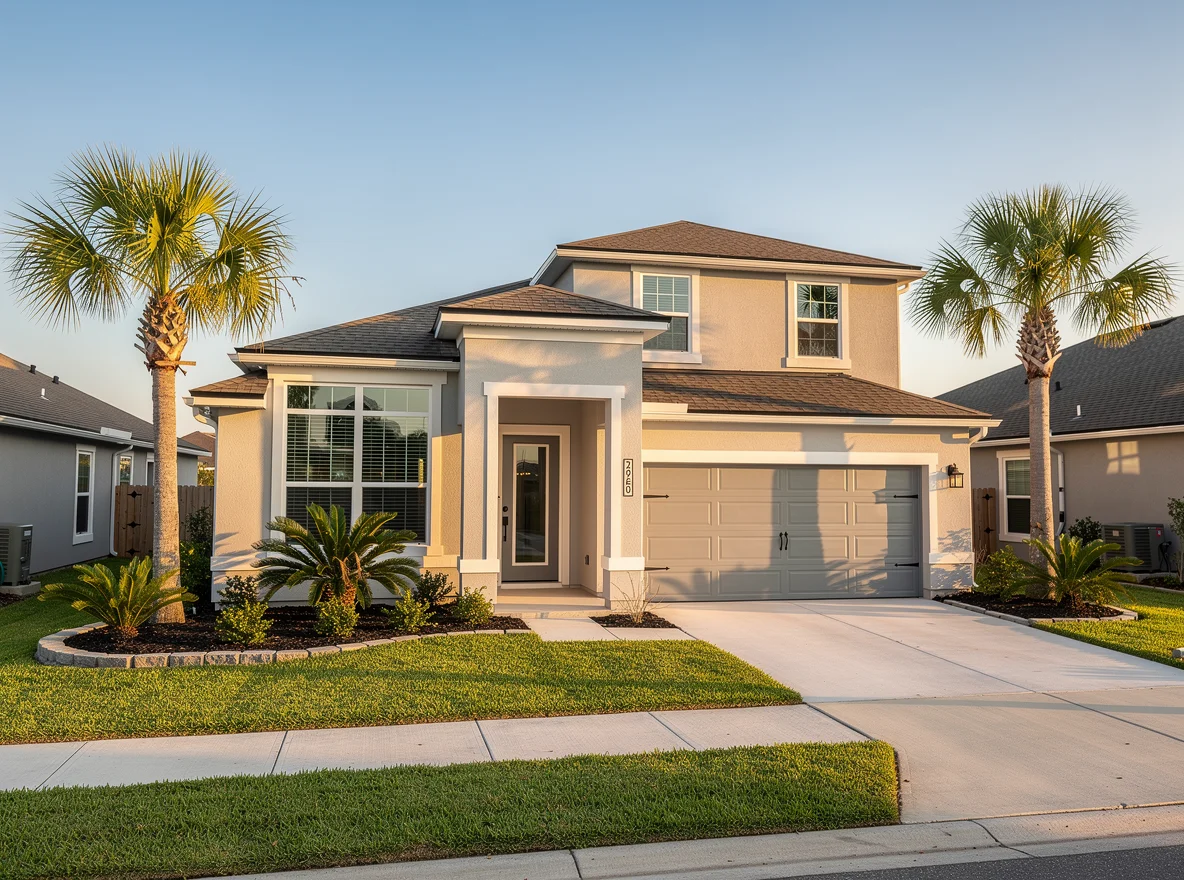
Newer construction can be fantastic—often more energy efficient, with modern layouts and community amenities—but "new" doesn't mean "no surprises." Warranties vary, builder quality can differ, and some items (like irrigation, drainage, or landscaping) still require attention. Plus, community rules can shape what you can do with your yard, exterior paint, parking, or even rental policies.
Do this instead: Read the HOA documents early, ask about CDD fees when applicable, and understand what "amenities included" really means. Even for newer homes, keep inspections in the plan and consider a follow-up inspection before the builder warranty expires (if applicable). Treat "new" as a lifestyle choice, not a guarantee.
Also consider how you'll use the community: pool, fitness center, trails, or sports courts can be a genuine quality-of-life upgrade if you'll actually go. If you won't, you might prefer a home with fewer fees and more flexibility.
5) Making an offer without understanding negotiation levers
First-time buyers often think negotiation is only about price. In reality, you can adjust multiple terms to make an offer stronger—or protect yourself more—depending on the situation. In competitive moments, buyers may waive important protections out of fear, then regret it when inspection findings appear. In slower moments, they may miss opportunities to ask for closing costs, repairs, or rate buydowns.
Do this instead: Work with your agent to choose the right levers: inspection period length, appraisal gap strategy (if any), seller credits, closing date flexibility, and repair requests that focus on safety and major systems. A smart offer isn't always the highest price; it's the cleanest path to closing with risk managed appropriately.
6) Treating the inspection like a pass/fail test
Nearly every home has issues—yes, even the beautiful ones with the fresh paint and staged furniture. The goal of an inspection is to understand condition, prioritize big-ticket items, and plan your first-year maintenance. First-time buyers sometimes panic over minor findings, or they overlook significant items because the home "feels perfect."
Do this instead: Use the inspection to separate maintenance from material issues. Ask questions about roof life, HVAC age, water heater condition, electrical panel concerns, plumbing updates, and signs of moisture intrusion. If something is unclear, consider specialized follow-ups (roof, HVAC, sewer/plumbing, structural) to reduce uncertainty before you close.
7) Draining savings to "win" and then struggling after closing

It's tempting to put every dollar into the down payment, appraisal gap, moving costs, and new furniture—especially when you're excited. But the first few months of homeownership often come with surprise expenses: escrow changes, small repairs, tools, window treatments, lawn equipment, and the "one thing" you didn't notice until you lived there.
Do this instead: Keep a realistic reserve fund. Many buyers aim for a few months of expenses set aside, plus a starter home-maintenance fund. If you're trying to balance affordability with long-term stability, talk to your lender about options like down payment strategies, closing cost credits, or rate buydowns that preserve cash without putting you in a risky position.
And remember: your first home doesn't have to be your forever home. A strong, sustainable purchase that lets you enjoy Jacksonville's outdoor lifestyle—riverfront trails, parks, and easy weekend drives across Northeast Florida—often beats stretching for "perfect" and feeling house-poor.
A smoother first purchase starts with a clear plan
First-time buying is a learning curve, but you don't have to learn the hard way. If you focus on payment, pick neighborhoods with intention, verify insurance early, and treat inspections and negotiations as tools (not obstacles), you'll make calmer decisions and enjoy the process more. For buyers who want local guidance across Jacksonville, St. Johns, Nocatee, and beyond, the Welch Team at Keller Williams Atlantic Partners Southside can help you compare options, avoid common pitfalls, and move from browsing to closing with confidence.